A New Era for Conservation Education: OTF & SCI Join Forces
Protecting wild places, restoring habitats, and supporting healthy wildlife populations requires science, stewardship, and the education of future conservation leaders.
This year, that mission takes an important step forward for the Outdoors Tomorrow Foundation (OTF). OTF’s acquisition by Sporting Conservation International (SCI) (the parent corporation of Safari Club International) marks a major milestone for conservation education in the United States.
Together, OTF and SCI are building a future where every student gains the knowledge, skills, and experiences needed to understand how wildlife thrives — and the essential role humans play in responsible conservation.
How Ethical Hunting Supports Wildlife Conservation
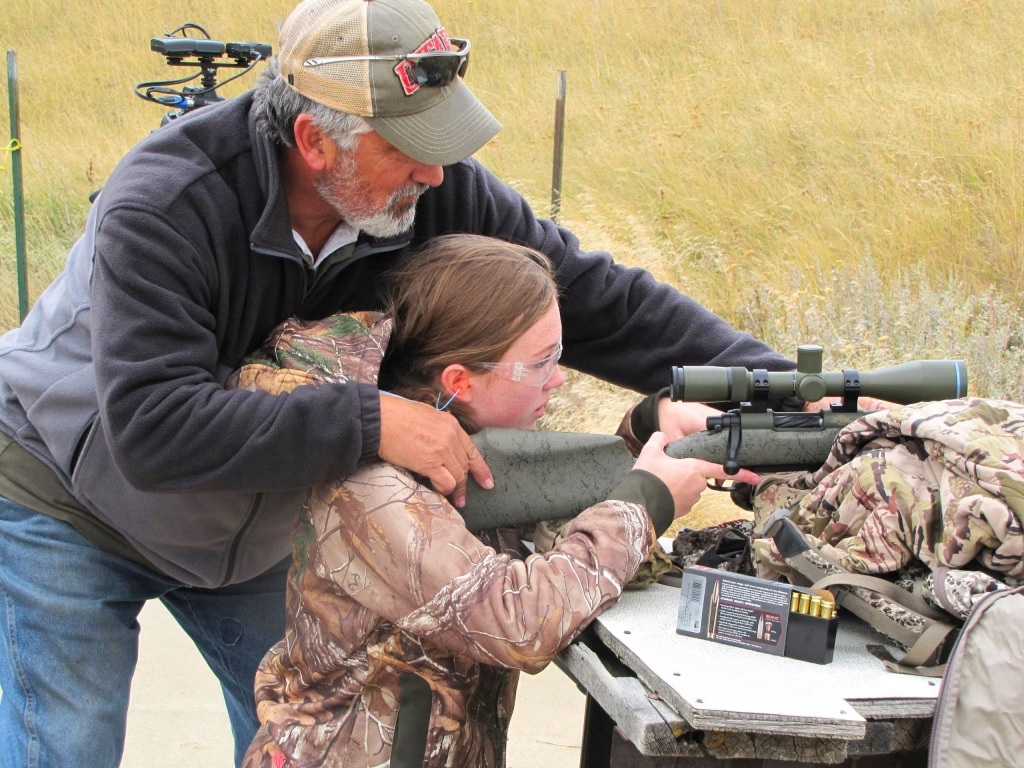
Wildlife conservation relies on science-based management, healthy habitats, and public engagement. Many OTF students are surprised to learn that one of the most effective conservation models in North America is the hunter-funded system, where excise taxes, license fees, and regulated harvest help pay for habitat restoration, species recovery, and wildlife research.
Ethical, regulated hunting also plays a critical role in maintaining healthy ecosystems. It helps balance animal populations with available habitat, reduces the spread of disease, and prevents environmental damage caused by overpopulation. It is a foundational principle of the North American Model of Wildlife Conservation — a framework OTF teaches in classrooms so students understand how conservation works and why it’s effective.
By teaching students how conservation works in real life, OTF and SCI are equipping the next generation to protect biodiversity, manage wildlife responsibly, and carry forward our outdoor heritage.
Sporting Conservation International Strengthens Student Learning
Sporting Conservation International unites hunters, anglers, scientists, and conservation groups to protect wildlife and wild places through science-backed advocacy and sustainable-use conservation. With a growing global network of affiliated organizations, it strengthens habitat protection, wildlife management, and conservation education.
Through this connection, OTF gains access to expanded resources, expertise, and real-world learning opportunities—giving students direct insight into modern wildlife management and empowering the next generation of responsible conservation leaders.
Outdoor Adventures: Where Conservation Literacy Begins
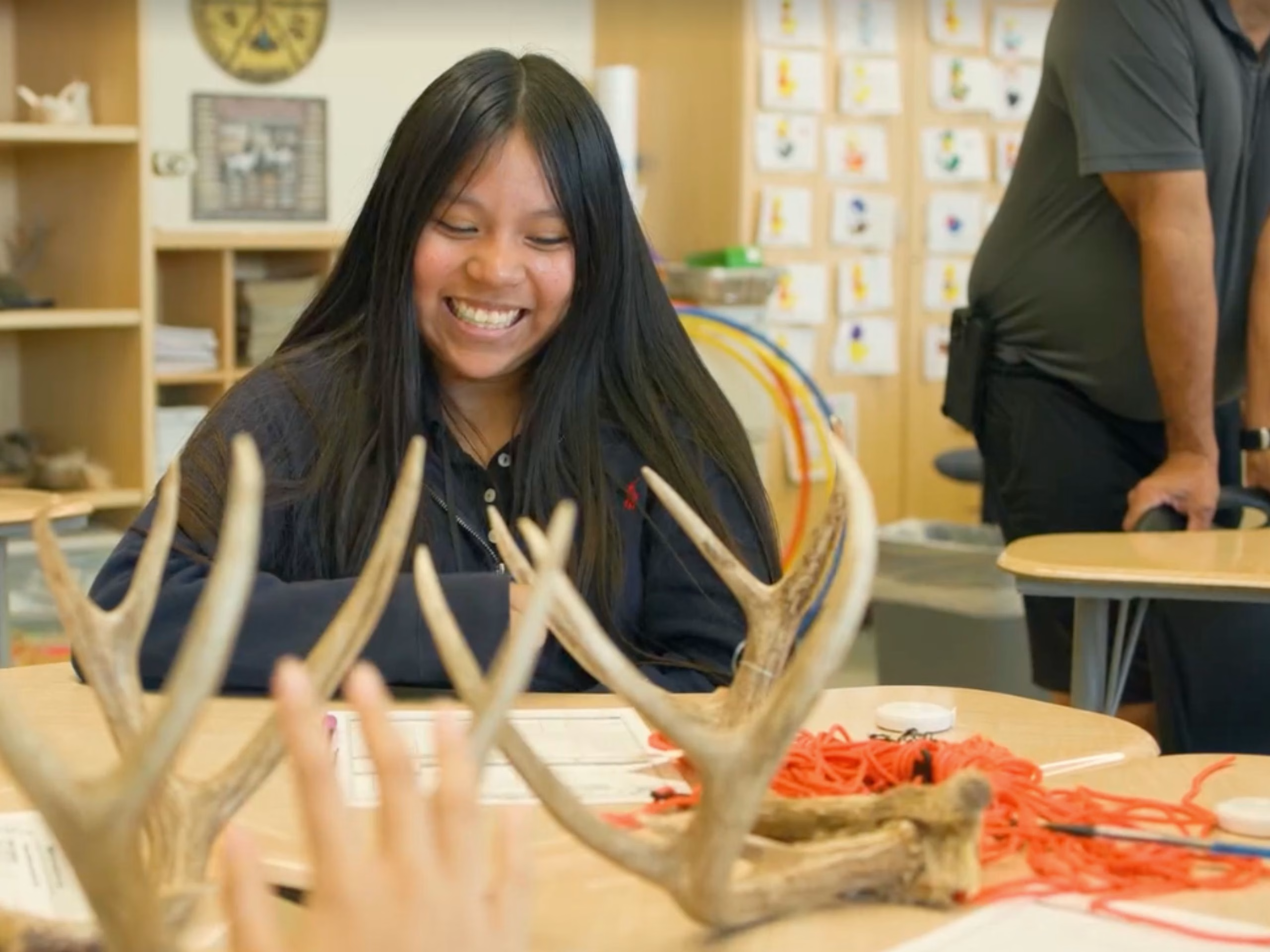
For more than 40 years, OTF has introduced millions of students to the outdoors through its Outdoor Adventures (OA) curriculum — the nation’s largest in-school outdoor education program.
Students learn:
- Ecology and wildlife biology
- Habitat and population management
- Fishing and hunting safety
- Orienteering, survival skills, and outdoor ethics
- Archery, angling, and conservation-focused outdoor recreation
What the OTF + SCI Acquisition Means for the Future of Conservation
This acquisition establishes one of the strongest national pathways for youth conservation leadership. With SCI’s advocacy network and scientific expertise, OTF can expand the Outdoor Adventures curriculum into more regions, enhance teacher training, and offer more hands-on conservation opportunities for students.
It increases OTF’s capacity to reach thousands more schools and millions more students — opening doors for the next generation of hunters, anglers, land stewards, and conservation-minded citizens.
A Shared Commitment to Protecting Wildlife and Outdoor Heritage
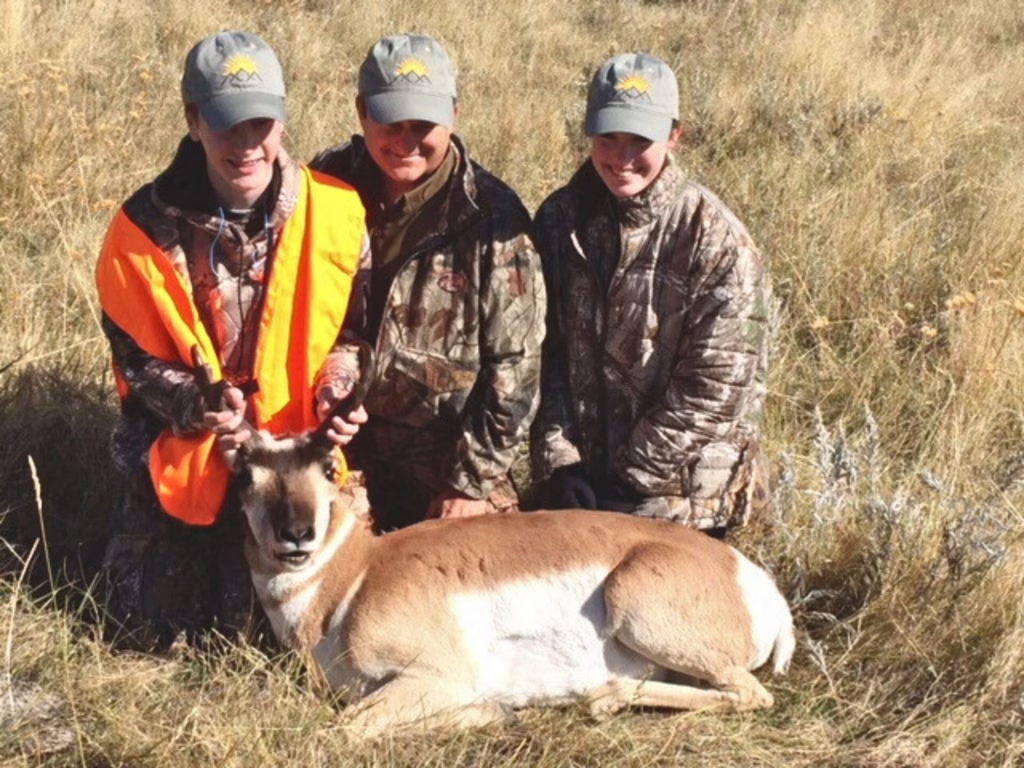
OTF and SCI share a core belief: strong wildlife populations and healthy outdoor traditions depend on informed, engaged people. By combining forces, the organizations are ensuring students not only learn about conservation but also experience it through access, mentorship, and real-world stewardship.
Together, OTF and SCI are building a future where conservation is understood, practiced, and valued by the next generation. Their partnership strengthens the systems that protect wildlife, restore habitats, and support responsible hunting as a vital conservation tool. With expanded curriculum, advocacy, and field experiences, more students will gain the knowledge and confidence to become the conservation leaders our world needs.