
Benefits of Outdoor Curriculum
Integrating outdoor curriculum into schools creates an exciting and enriching approach to education. It combines academic learning with real-world experiences. The benefits of outdoor curriculum for students are endless. By stepping out of traditional classroom settings, students engage more, improve their physical well-being, nurture social connections, and develop a lifelong appreciation for nature. Here’s a closer look at how an outdoor education curriculum like Outdoor Adventures can transform learning and growth in students.
Enhanced Student Engagement
Learning becomes more dynamic and exciting when students are outside. The natural world encourages curiosity and provides opportunities for exploration. Studies show that outdoor environments help with attention and focus, especially in students who may struggle with traditional classroom learning.
For example, a nature walk can turn into a biology lesson, where students observe insects, plants, or ecosystems firsthand. This direct interaction with nature helps solidify concepts that might feel larger than life when taught indoors. The fresh air and change of environment also help students stay alert and involved, making the learning process more enjoyable and memorable.
Improved Physical Health
Sitting indoors for hours on end can be physically draining for students. An outdoor curriculum encourages movement through activities like hiking, fishing, or outdoor games. These activities promote better posture, increased physical activity, and exposure to sunlight.
Time spent outdoors is linked to reduced stress and anxiety, making it beneficial for mental health. Simply being surrounded by nature has a calming effect which helps students feel refreshed and ready to learn.
Development of Social Skills
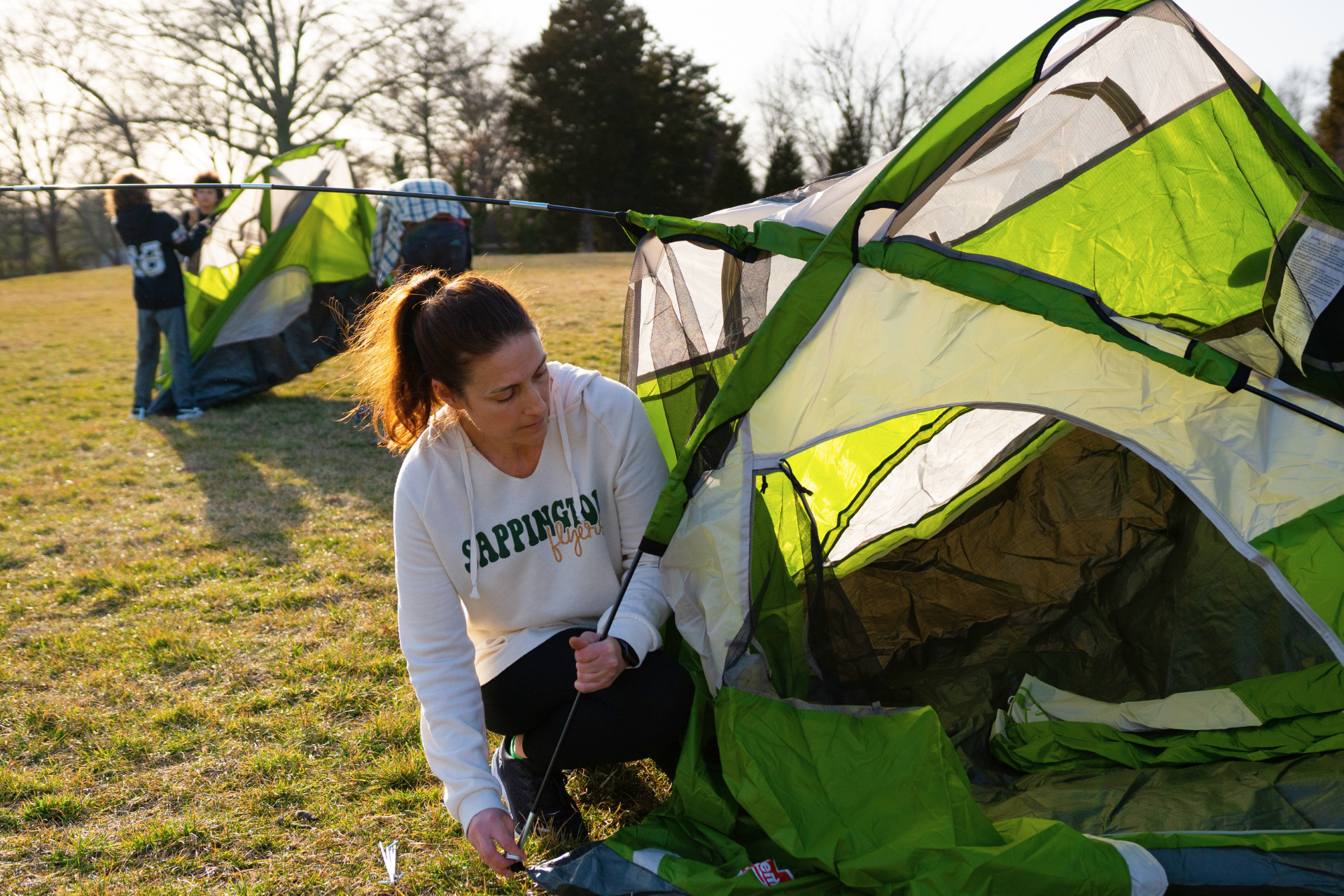
Teamwork and communication are fundamental life skills, and outdoor curriculum fosters these naturally. Whether it’s working together to start a camp cooking fire or navigating a trail for backpacking, outdoor activities often require collaboration and problem-solving. These shared experiences strengthen bonds between students and build skills like empathy, negotiation, and leadership.
For instance, group outdoor-based science experiments, such as testing water quality in a local stream or tackling a problem with first aid, teach students how to listen to others’ ideas, divide tasks, and achieve common goals. These skills are critical for academic success and for personal growth and future careers.

Outdoor curriculum activities can strengthen bonds between students and help them learn the value of working on a team.
Connection With Nature
Children today spend more time interacting with screens than with nature. An outdoor curriculum reintroduces students to the environment and fosters a sense of respect and responsibility for the planet. This connection to nature often sparks curiosity and inspires a mindset focused on sustainability.
For example, activities in the Outdoor Adventures wildlife conservation unit allow students hands-on experience in environmental conservation, empowering them to become stewards of the Earth.
A Holistic Educational Experience
Nature has a unique ability to create a sense of calm and foster personal reflection. By taking learning outdoors, schools can nurture students’ emotional well-being and encourage self expression in ways that traditional classrooms rarely allow. Outdoor learning also promotes emotional resilience. Nature, with its unpredictable elements, teaches students to adapt, problem-solve, and persevere. Whether it’s weathering a sudden rain shower on a nature hike or solving an obstacle course outdoors, these experiences build confidence and emotional grit.
By incorporating outdoor lessons, schools tap into the broader goals of education—developing well-rounded individuals. Activities such as team sports or outdoor storytelling combine creativity, critical thinking, and physical activity, making lessons more diverse and inclusive.
The Research Backs It Up
Numerous studies have highlighted the benefits of outdoor learning. Data from the American Institutes for Research found that students who participated in outdoor education programs showed increased problem-solving skills, critical thinking abilities, and improved academic performance. Regular outdoor experiences were linked to greater emotional resilience and mindfulness among children.
A study conducted in Sweden revealed that children in schools that used outdoor classrooms had better concentration and reduced levels of stress compared to their peers in conventional schools. The scientific backing underscores the importance of integrating outdoor education into mainstream curriculums.
Outdoor curriculum isn’t just a passing trend—it’s a pathway to lasting educational and personal growth. By offering opportunities to learn outside the classroom, schools can engage students in meaningful ways, promote healthier lifestyles, and prepare them for life beyond academics. From observing details of nature to mastering teamwork through group activities, students gain knowledge, emotional resilience, and physical skills that leave a profound impact. Schools that adopt outdoor learning like Outdoor Adventures set the stage for a future generation that’s not only academically capable but also socially and environmentally responsible.